

Understanding Psoriasis: Beyond the Skin
Psoriasis is a long-term skin condition that goes deeper than visible symptoms, often affecting overall well-being and confidence. At Tinefcon India, we believe that greater awareness and holistic care can help people manage psoriasis effectively and live healthier, more confident lives.
What is Psoriasis?
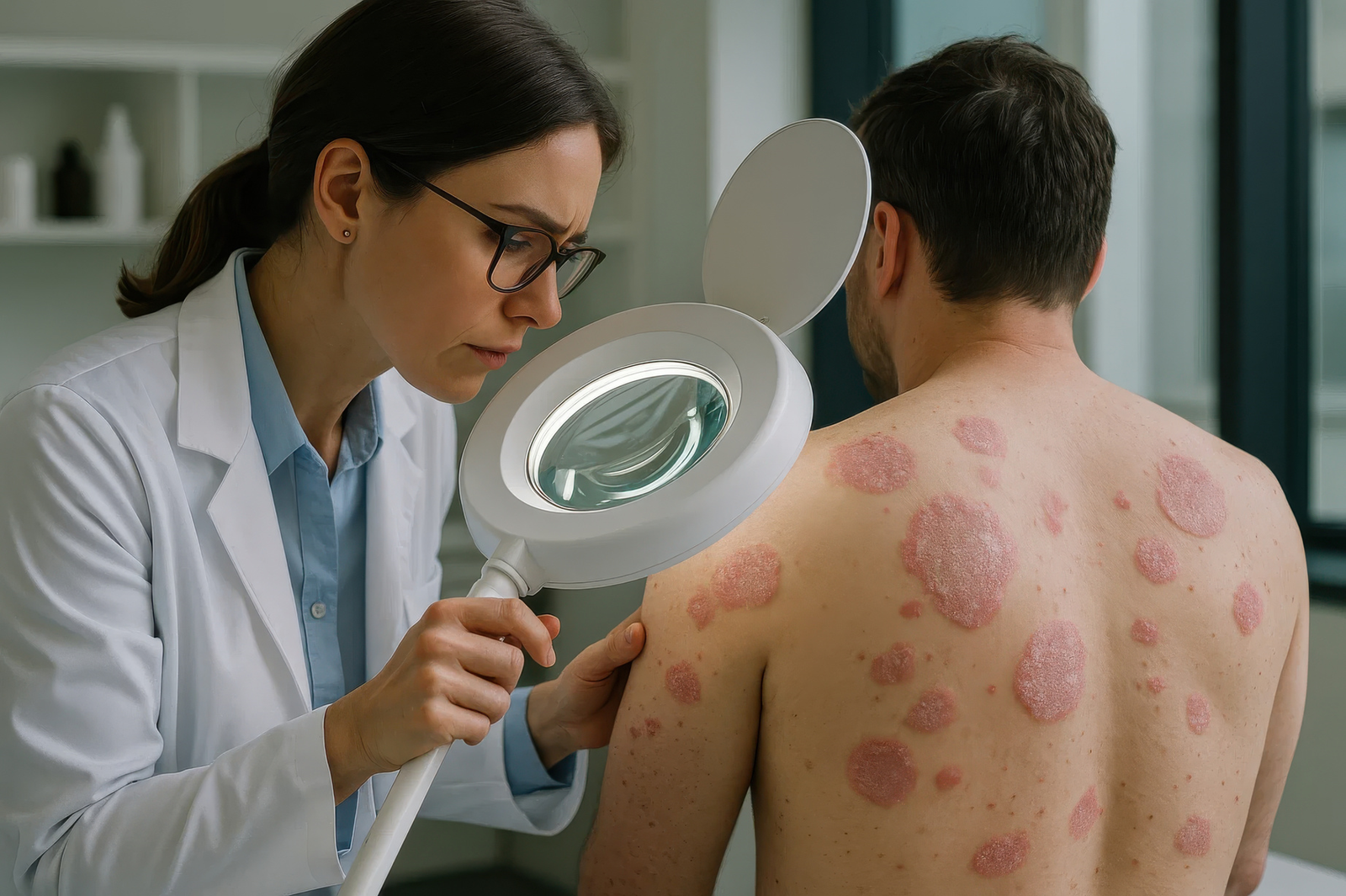
Psoriasis is a chronic, immune-mediated inflammatory skin condition that affects millions of people worldwide. It occurs when the immune system triggers an accelerated skin cell turnover, leading to the buildup of thick, red, scaly plaques on the skin’s surface. While psoriasis is most commonly seen on the scalp, elbows, knees, and lower back, it can appear anywhere on the body.
Key Facts About Psoriasis

Immune-Mediated Disorder
Psoriasis is not just a skin problem; it is driven by immune system dysfunction, primarily involving T-cell activation and cytokine pathways such as TNF-α and IL-12/23.

Global Burden
More than 125 million people worldwide live with psoriasis. In India alone, an estimated 14 million individuals are affected.

Chronic & Relapsing
Symptoms can improve with treatment but often recur, making long-term management essential.

Impact on Life
Psoriasis significantly affects quality of life (QoL), causing not only physical discomfort like itching and scaling but also emotional and social challenges.
Types of Psoriasis
- Plaque Psoriasis – The most common type, causing raised red patches covered with silvery-white scales, often on elbows, knees, scalp, and lower back.
- Guttate Psoriasis – Appears as small, red, drop-shaped spots, usually triggered by infections such as strep throat, and often affects children and young adults.
- Inverse Psoriasis – Shows up as smooth, shiny, red lesions in skin folds like the armpits, groin, or under the breasts; worsens with friction and sweating.
- Pustular Psoriasis – Characterized by white pustules (blisters filled with non-infectious pus) on inflamed skin, either localized (hands/feet) or widespread.
- Erythrodermic Psoriasis – A rare, severe form causing widespread redness, shedding, itching, and pain; can be life-threatening and requires urgent medical care.
What Causes Psoriasis and What Can Trigger It?
While the exact cause is still under research, psoriasis is linked to an overactive immune system where T-cells mistakenly attack healthy skin cells. This immune response triggers excessive skin cell production and inflammation.
Common triggers include:
Stress
Infections
Cold or dry weather
Certain medications (like beta-blockers or lithium)
Alcohol consumption
Skin injuries (cuts, burns, or insect bites)
Recognizing the Signs and Symptoms
The symptoms of psoriasis vary from person to person and depend on the type and severity of the condition. For some, psoriasis may appear as a few small patches, while for others, it can cover large areas of the body. Symptoms often come and go in cycles, flaring for a few weeks or months and then subsiding.
Common symptoms include:
Raised, inflamed skin lesions: Red or pink patches of skin that are thickened due to excess cell buildup. These are often covered with scales.
Silvery-white scales: Plaques usually have a coating of dry, silvery scales that can flake off. The scaling is one of the most noticeable signs of psoriasis.
Dry, cracked skin: In some cases, the skin may become so dry that it cracks and even bleeds, causing discomfort and making the skin more vulnerable to infection.
Itching and burning: Psoriasis patches can be extremely itchy or sore, leading to constant scratching that may worsen irritation. Some people also describe a burning or stinging sensation.
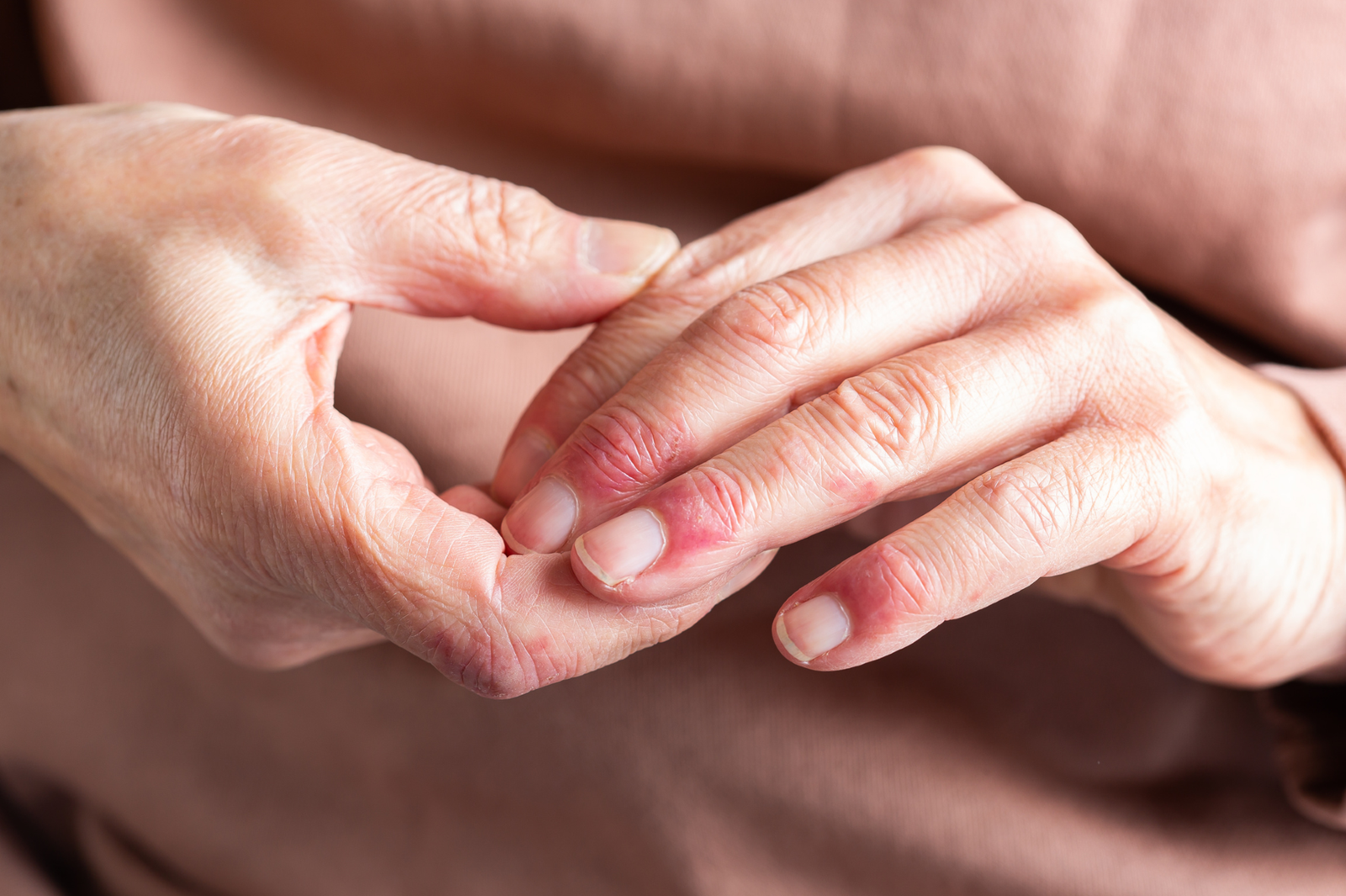
Thickened or ridged nails: Nail changes such as pitting, discoloration, crumbling edges, or separation from the nail bed are common in those with nail psoriasis.
Stiff or swollen joints: Around 30% of people with psoriasis develop psoriatic arthritis, which causes joint pain, stiffness, and swelling. Left untreated, this can lead to joint damage over time.
Severity can range widely:
Mild psoriasis usually covers less than 3% of the body.
Moderate psoriasis affects 3–10% of the body.
Severe psoriasis involves more than 10% of the body surface and often impacts daily activities, self-esteem, and overall quality of life.
Because the symptoms can be physically uncomfortable and emotionally distressing, early recognition and management are essential for maintaining both skin health and overall well-being.
Living with Psoriasis
Psoriasis is a lifelong condition that can flare up and subside unpredictably. It not only affects the skin but can also impact emotional well-being and self-confidence. Managing psoriasis involves addressing both physical symptoms and emotional health through lifestyle adjustments, stress management, and proper treatment.
Psoriasis Treatment Options and Management
While there is currently no permanent cure for psoriasis, there are many effective treatment options available that can help reduce symptoms, minimize flare-ups, and improve overall quality of life. The right treatment often depends on the severity of the condition, the type of psoriasis, and how an individual responds to therapy.

Topical Therapies
For mild to moderate psoriasis, topical treatments such as creams, ointments, and medicated shampoos are usually the first line of care. These work directly on the skin to slow cell growth, reduce inflammation, and relieve itching, though consistent use is often required for best results.

Phototherapy (Light Therapy)
Phototherapy involves controlled exposure to ultraviolet (UV) light to reduce rapid skin cell turnover and calm inflammation. Treatments such as narrowband UVB, PUVA, or excimer laser therapy are typically administered several times a week under medical supervision.

Systemic Medications
For more severe cases, systemic medications are prescribed to work throughout the body and control immune activity. Options include methotrexate, cyclosporine, retinoids, and modern biologic therapies that specifically target the immune pathways responsible for psoriasis.

Natural and Alternative Approaches
Many individuals find added relief from natural and alternative options such as moisturizers, soothing baths, or dietary supplements. These methods can complement medical treatments, but their effectiveness varies from person to person.

Managing Psoriasis with Tinefcon
If you’re looking for a safe and effective approach to psoriasis care, Tinefcon products can help. Specially developed as a phytopharmaceutical formulation enriched with phytoactive compounds, Tinefcon targets the root cause of psoriasis by regulating immune responses and reducing inflammation.